

How Do You Take Care Of Your Horsebox This Winter?
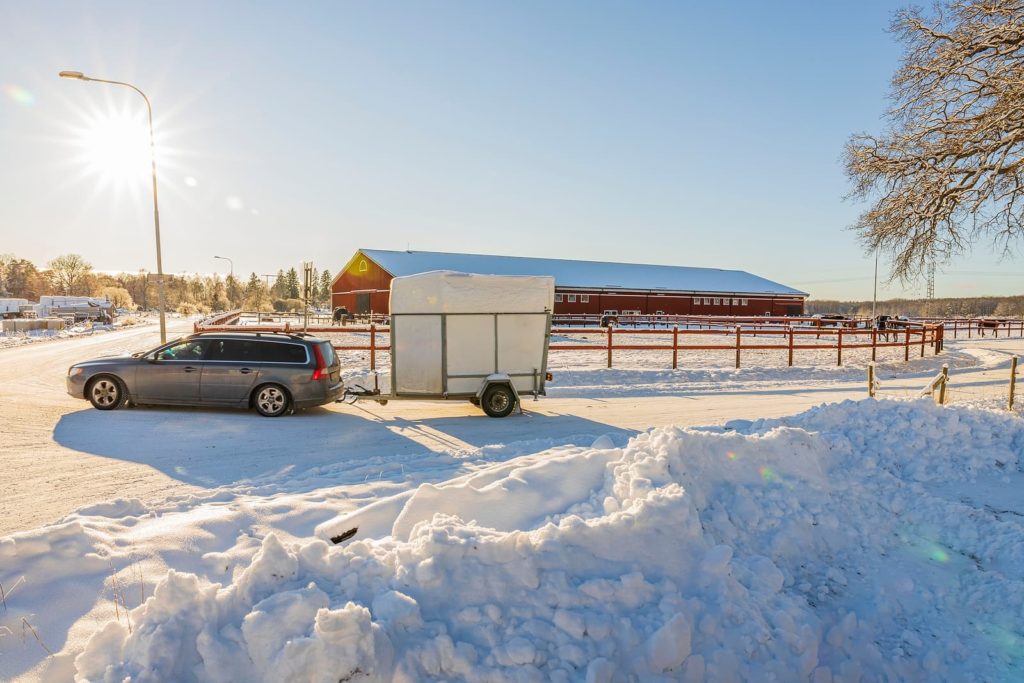
Taking care of your horsebox trailer and your horses over the winter months will depend a lot on whether your business involves travelling during the coldest and most hazardous parts of the year.
Both transportation and storage provide particularly unique challenges, but both can be helped by taking your trailer in for a service with your local Ifor Williams specialists, as our experts can provide personalised advice for what you can do to keep your trailer working at its best.
Whilst many horseboxes end up being stored as horses rest up in their stables for much of the winter, some equine businesses such as horse racing continue all year round, and so being able to travel safely in icy conditions becomes essential.
With both circumstances in mind, here are some top tips for taking care of your horsebox this winter, whether you are placing your Ifor Williams HBX in storage or are continuing to load up your Eventa for regular meets.
If You Are Putting Your Horsebox In Storage
Many people will largely focus on taking care of their horses in the stables during winter, which typically means the trailer will spend less time on the road.
Whilst this will reduce the wear and tear a trailer can undergo during rough conditions, there are some regular care routines you should do to make sure that your trailer is at its absolute best when it comes out of hibernation in the spring.
Clear The Horsebox Out Completely
Horseboxes often have a lot of storage boxes, cupboards and cubbyholes to store everything you and your horse need, but it is vital to clear everything out when you start winterising to ensure that you do not wake up to any nasty surprises in a few months.
The big culprit is food, both for the horse and, if you have an Eventa M or L, anyone who stayed in the accommodation. Even in the cold temperatures of your garage, perishables can spoil and rotten food attracts vermin.
Beyond this, if your horsebox has living amenities, make sure that you treat it like a caravan; drain all of the tank, turn any gas bottles off and take your leisure batteries out to charge.
Remove The Wheels If Possible
If the wheels of your horsebox are left in place for too long, there is a risk that the tyres will develop flat spots, which could make the trailer less stable whilst on the road.
If you can, the best solution is to remove the wheels entirely and elevate the trailer using a jack or a set of bricks. If that is not practical, however, make sure to lift and rotate the wheels to give them some resting time.
This is also a good opportunity to test the tread depth and tyre pressures to ensure your trailer is still in working order.
Clean Thoroughly
Take the opportunity to clean both the inside and outside of your horsebox. Mucking out is an important part of taking care of your horsebox regardless, but make sure to clear any wet bedding, droppings, debris, mud and muck on both the inside and outside of your trailer.
Lubricate The Locks
As you are unlikely to be locking and unlocking your trailer regularly during winter, make sure to use some lubricant to ensure that the locking mechanisms keeping your horsebox secure are unlikely to seize up.
If You Are Going To Keep Using Your Horsebox In Winter
Whilst some agricultural businesses reliant on horses are focused on taking care of everything at home, horse transportation still needs to take place, and if you need to use your horsebox in winter, make sure you do so safely.
Get Your Horsebox Serviced
It is always important to get your horsebox serviced regularly, but if you have not already had an annual service, book one before the weather gets significantly colder.
They will be able to check your horsebox’s components, electrical systems, brakes, tyres and suspension for potential issues so you can drive through the winter with peace of mind.
Check Your Tyres
In particular, ensure that your trailer’s tyres have the right tyre pressure and have a depth of at least 1.6mm as legally required.
Check Your Brakes
Make sure your brakes and brake lights work, as you will need to manage your speed more carefully during cold, icy conditions than in the summer.
Check The Heating System
Bear in mind that higher speeds can increase the potential for wind chill for your horse, so make sure that the heating system of your horsebox is working properly, or that you have the right blankets for your horse.
Prepare A Winter Travel Kit
Just in case the conditions take a turn for the worse, carry a travel kit with warm clothes, additional blankets for your horse, extra food, ice scrapers, de-icer, maps, jump leads, an empty fuel can, a shovel, high visibility cones and warning triangles.