
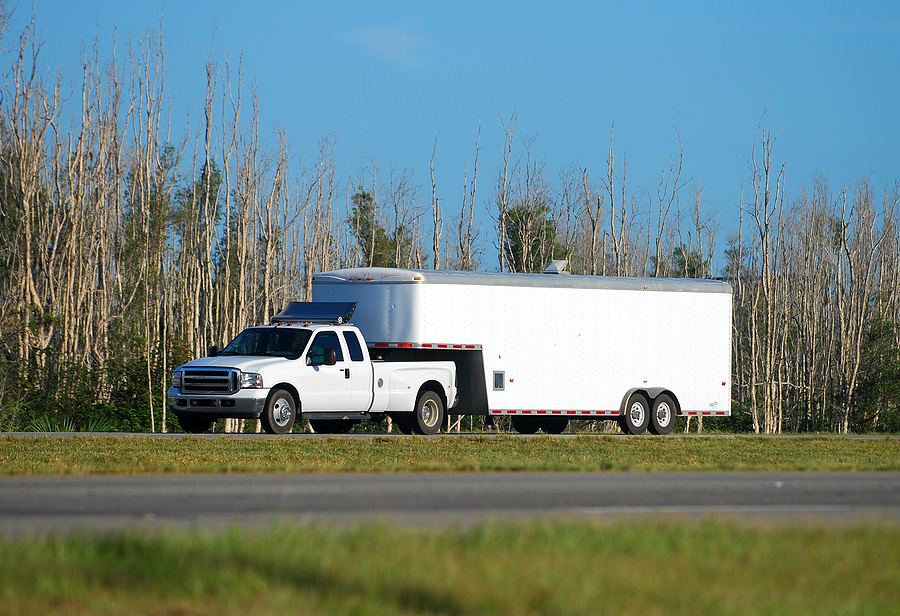
The summer months are often the peak period for trailer use, particularly in the agricultural sector, but this also coincides with some of the most punishing and brutal conditions your trailer is likely to face all year.
This means that ensuring that your trailer has undergone a service and had any small issues repaired is key, as these weaknesses will be stressed further by the summer heat.
Most businesses do not stop during heatwaves, and many journeys with trailers still need to take place even on the hottest days. This makes it essential that you know how to safely tow your trailer.
Here are some of our top tips and most critical pieces of advice to ensure you tow safely, your trailer avoids damage, and you do not experience any extra hidden costs.
How Are Your Trailer’s Tyres Affected By The Heat?
Heat causes air to expand, and this, in combination with a heavy load, can cause tyres to end up under such intense pressure that they can start wearing or cracking very quickly. A trailer tyre blowout on a motorway is a highly dangerous situation.
Make sure to check that both the trailer and towing vehicle are at the right pressure before you start driving, and check the condition of your tyres in case there are signs of degradation.
A trip to a trailer specialist is far cheaper than a trip to an emergency garage.
Is Your Towing Vehicle’s Cooling System Sufficient For Towing?
Your car naturally runs hotter when towing a vehicle due to the additional weight, but this effect is magnified when under the blazing hot sun.
Make sure your trailer is being towed in such a way that it is not blocking airflow in and out of the towing vehicle, check the coolant has been topped up, the radiator is working fine and that there are no obvious issues with the cooling system.
Towing on a motorway, particularly uphill and in a traffic jam, can potentially cause your car to overheat.
Are Your Brakes Suitable For Towing In Hot Weather?
Brakes generate significant heat by design, but in hot conditions brakes have to work exponentially harder than other parts of your trailer.
This can lead to brake fade, which causes brakes to be significantly less effective and have a longer stopping distance than expected.
Of all the components of your trailer that you must ensure are properly serviced and adjusted for the heat, your brakes must be properly aligned, adjusted and fit for purpose.
If that is not possible or you are travelling specifically to your nearest trailer servicing experts, get a feel for how your trailer slows down and take into account the fact you have a much longer stopping distance to think about.
Can Your Towing Load Be Affected By The Heat?
Ropes, ratchet straps, tarpaulins, zip-ties, and all of the materials used to secure loads in the back of your trailer can be affected by the heat and create enough slack to cause loads to move around in the back of your trailer.
Slow down and find somewhere safe to stop to check your trailer load if you feel anything unusual or strange. If everything seems normal, stop after a few miles and check all of your straps regardless to ensure your load is secure.
Thankfully, once you are in the hot conditions, any further expansions or changes will be more subtle and less impactful.
Should You Avoid Travelling In The Middle Of The Day?
Whilst for some businesses this is unavoidable, you should try to make every effort possible not to drive during peak sunlight hours, which is typically between 11am and 3pm depending on the day.
Instead, opt to drive in the morning or evening, and give yourself time to allow yourself and your trailer to cool down effectively at a service station or a shaded car park.
Similarly, avoid rush hour traffic where at all possible. Heat can cause components to wear out much faster, and this is made worse by standing still and having to constantly start and stop.
Are You Keeping Yourself Cool As Well?
The most important part of your trailer and towing vehicle setup is the driver. You need to ensure that you keep hydrated, are as comfortable as possible and are able to focus on the driving at hand.
This usually means ensuring that your air conditioning is working effectively, you feel cool and comfortable, and you have adjusted the mirrors to avoid the potential for glare as much as possible.