
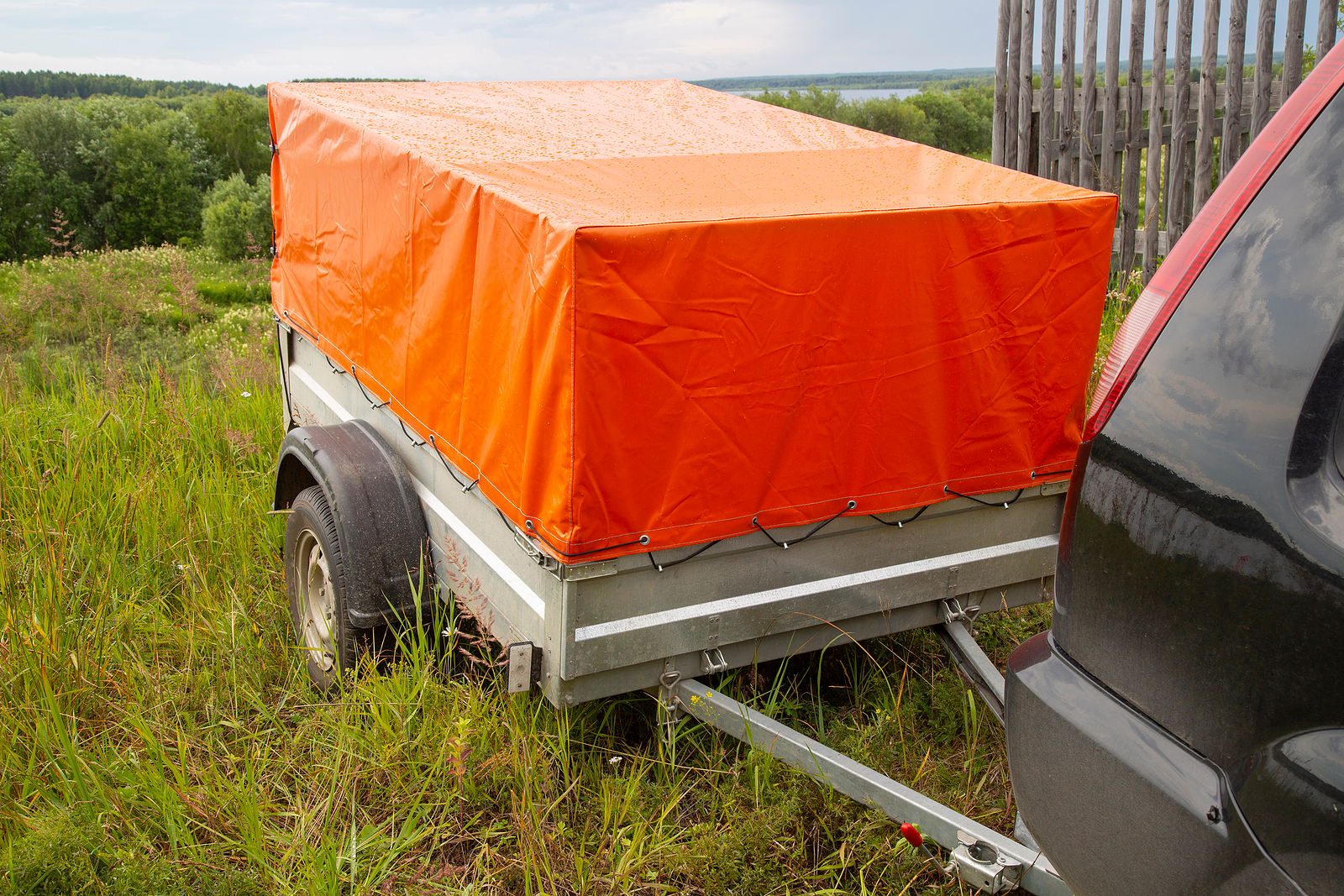
It is always important to check that your trailer is in good condition and get any damaged parts repaired or replaced, especially before a DVSA check. We can help ensure it is in good condition with repairs and replacement parts to keep it roadworthy.
Summer is a time when some trailer owners might slip into a sense of complacency. After all, with warmer and (at least sometimes) drier weather, plus longer daylight hours, it is one of the better times of year to be driving.
However, you should be vigilant. In the first instance, there are some perils involved in summer driving. Secondly, wear and tear can take its toll at any time and you should regularly check your trailer to make sure it is in good shape.
The second of these issues is that if you have a DVSA check coming up, you will need to pay particular attention to the state of your trailer to ensure it will pass. Otherwise, your operations could be disrupted as it will not be allowed on the road until the issues are fixed.
What Are The Risks Of Summer Driving With A Trailer?
According to the AA, summer can bring a few perils for motorists. Among those you may want to watch out for are:
- An increased risk of tyres bursting if they have damage or the pressure levels are incorrect
- An increased risk of collisions if you are in heavy traffic, which is more frequent in summer
- A higher risk of accidents caused by glare
The first of these may be the most obvious risk, as a puncture could lead to further damage to the trailer if it becomes unstable or the deflated tyre leads to the wheel axle scraping along the road until you stop.
In the other instances, the trailer and the truck towing it could both be at risk of damage from collisions.
A major crash could write off whole vehicles and trailers, but a more minor bump or wear and tear could still leave significant damage that needs repairing.
We can provide trailer repairs if this is required, as well as supplying spare parts if something is so damaged that it needs to be fully replaced.
Can A Faulty Trailer Cause You To Fail The DVSA Test?
The DVSA Test is one point at which such flaws and accumulated damage could be exposed, and anything sufficiently significant to cause you to fail is something you need to address before that test.
When preparing for a DVSA test, drivers will be chiefly focused on the basic points of the test, which include:
- Demonstrating that you can reverse the car and trailer safely
- Demonstrating general driving ability
- An independent driving segment
- A demonstration that you can couple and decouple the trailer
In this regard, the test is similar to a standard driving test when a motorist first gets their licence.
However, just as in a driving test, you need your car to be fully roadworthy (something that is often taken care of by the instructor). In the DVSA test, you can fail it if the trailer has faults.
This would not happen as a result of nitpicking over minor scratches and scrapes, but if the trailer is damaged or has missing parts serious enough to render it not roadworthy, which would mean it is illegal.
Section 1.1 in the government guidance on the issue of roadworthiness states: “Where this document refers to a “vehicle”, this terminology equally applies to a trailer.”
An example given is that of ensuring that the brakes work adequately. The National Trailer and Towing Association has published advice on what trailers need to have functioning brakes in the UK.
When Should You Check That Your Trailer Is Roadworthy?
The government guidance on roadworthiness recommends that checks be carried out to ensure the roadworthiness of vehicles, including trailers. This includes:
- Checking when you acquire a new vehicle or trailer
- Carrying out ‘intermediate’ checks when certain components are placed under regular strain, such as the brakes if you frequently drive through heavy traffic or in hilly areas
- Daily walk-around checks to see if there are any obvious problems
That DVSA guidance acknowledged that operators “will not get everything right all the time.” However, it added: “We do want you to be vigilant and responsible.”
In the worst case, this could mean trailer owners are prosecuted and fined for driving an unworthy vehicle. But it will always mean the trailer is forced to stay off the road until the issues rendering it un-roadworthy are fixed.
By supplying replacement parts when needed, as well as maintenance, we can ensure that you take the trailer out on the road with full confidence that it is legally compliant.