
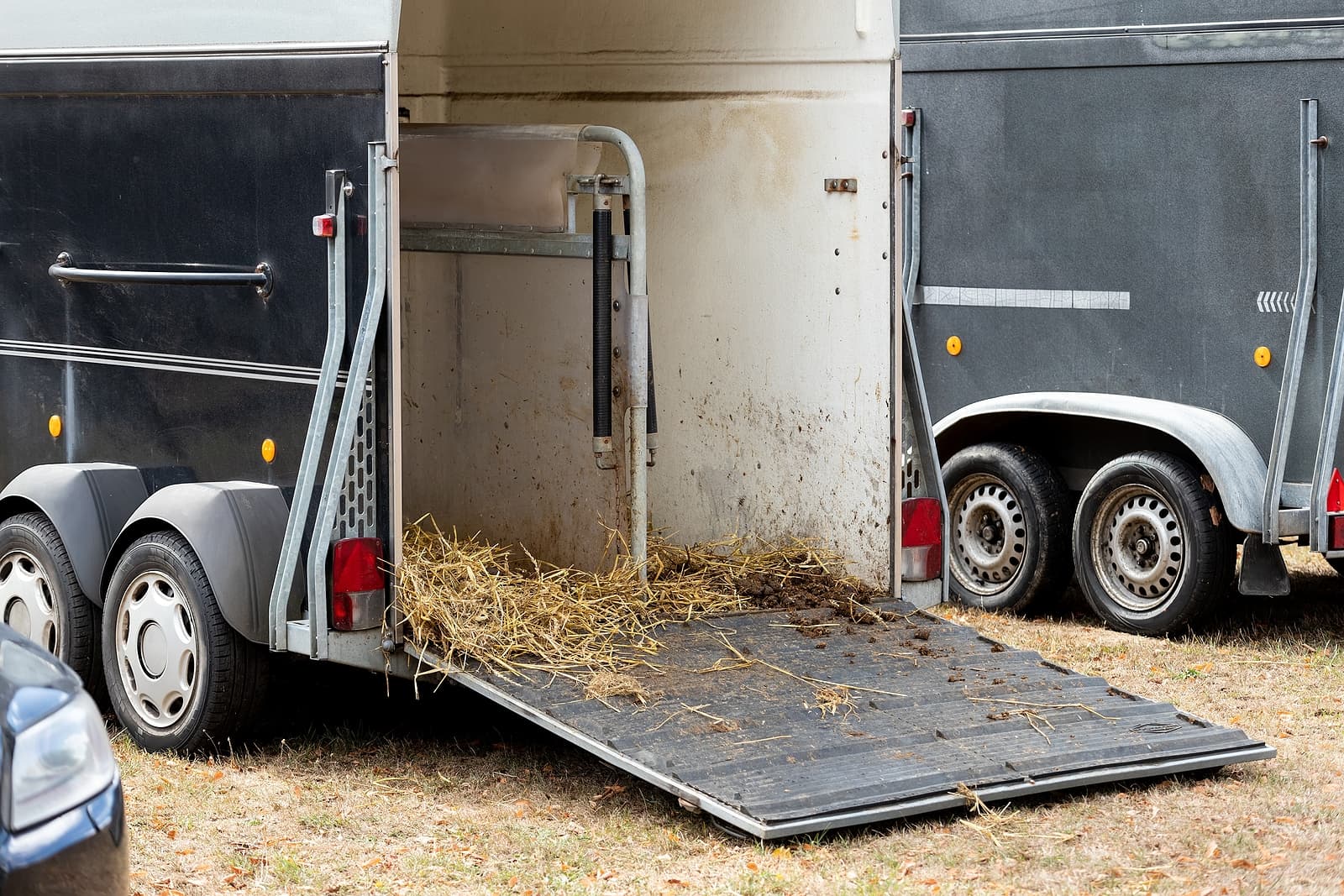
As autumn approaches, so do the seasonal livestock markets. Grass-fed store animals are ready for sale. And, unless the farm is next door to the market, it means transport is needed to get the cattle there.
Moving livestock, particularly cattle, is subject to government guidance on transport, including licensing, records, and how and when they can be transported to and from holdings.
The British Cattle Movement Service holds a register of every animal and its location, which needs to be updated after each movement.
Apart from keeping a record of the animals, it is vital that animals can be transported safely and efficiently to their destination, whether it is a farm or holding, a slaughterhouse or a market for selling.
What are the laws for transporting livestock?
There are three main areas of responsibility for those moving livestock:
- The animals must be well enough to travel before they can be moved. For example, animals with lameness, disease or other physical conditions that would be worsened by moving them.
- Transport must be suitable for travel and the condition of the vehicle, whether it is a livestock trailer or a lorry, needs to be fit for purpose
- Weather and road conditions must not cause undue delays or suffering to the animals. For example, recent guidance recommends not moving animals when external temperatures are over 30 degrees C.
What does the law say about livestock trailers?
Livestock trailers are classified as work equipment and are therefore subject to the Provision and Use of Work Equipment Regulations 1998. That means it has to fulfil several legal requirements to be compliant.
To be compliant, the trailer must be:
- Suitable for purpose
- Kept in a safe working order
- Inspected and checked regularly
- Only used by trained staff with appropriate licenses for towing
- Safety components such as failsafes and emergency releases must be fitted
How can you ensure your livestock trailer is ready for use?
In a similar way to domestic vehicles, farm vehicles must also be regularly serviced, especially when transporting live animals and being used for agricultural purposes.
Pre-trip Inspections
Before every cattle or other livestock movement, it is best to check the condition of some of the basics:
- Tyre treads and pressure – these should be suitable for the load and terrain
- Lights – check they work when connected and don’t dim or flicker
- Brakes
- Secondary coupling and functionality of the tow hitch
- Check for rust and rot in the frame, floor and side panels
- Hinges, hitches and bolts that may need lubrication
- Ensure gates and ramps are in working order and properly greased
Annual servicing and maintenance
Annual servicing for a trailer will cover several moving parts and components. A trained mechanic can inspect and repair any issues that arise.
When hooked up to your vehicle, your brake lights, rear lights and indicators should all function as intended. Electrical systems will be inspected and any faulty wiring or blown bulbs replaced.
The wiring that links the trailer to your vehicle will also be inspected, as will the head and hitch, and jockey wheel.
Brakes will be inspected, adjusted and potentially stripped down, cleaned and replaced if needed. Wheel bearings will also be greased properly, and the suspension system checked for flaws.
Tyres will be checked for legal tread depth and replacements recommended and fitted if they do not comply.
For the chassis and frame of the trailer, a visual inspection for cracks, rust and damage will be done and recommendations on repairs given.
Cleaning and sanitisation
Making sure your trailer is clean is important for the wellbeing of the animals and for the longevity of the vehicle.
If the trailer has mats, remove these first and hose them down. Remove any remaining feed, and brush out the larger clumps of manure.
Then get to work on sluicing out any manure or urine left by the animals. This is important as leaving it can damage the structural integrity of the trailer.
Once the trailer is visibly clean, let it dry before applying an agricultural sanitiser. This is to prevent any potential spread of bacteria and viruses, helping your cattle and sheep stay healthy. Rinse the sanitiser off, if needed, and allow it to dry before loading animals.
Using a step ladder or telescopic brush system, clean the outside of the trailer. Lights, windows and mirrors should not be ignored as these will help you travel safer if driving in low light.
When to replace your livestock trailer
If inspections and maintenance throw up issues that cannot be repaired, then your trailer may be condemned. This would make it non-compliant with regulations and unfit for transporting cattle or other livestock.
When your livestock trailer has reached the point where it is beyond repair, it may be time to replace it with a new Ifor Williams livestock trailer.